What to know
Estadio Azteca gave the opener a bigger emotional frame.
Mexico beat South Africa 2-0 and started the tournament with three points.
The night mattered because it connected the scoreline with national atmosphere.
Mexico's first win of World Cup 2026 worked because the football and the setting supported each other. The scoreline gave the hosts control; the Azteca gave the night scale.
Why the venue mattered
Estadio Azteca does not need much explanation in World Cup history. When the tournament begins there, the match carries a different kind of weight before the first whistle.
That helped Mexico. The early goal changed the crowd's role from anxious witness to active force, and the stadium noise made South Africa's recovery feel more difficult.
How the early goal changed the crowd
A slow first half could have made the night tense. Instead, Mexico gave the crowd an immediate release and made the opener feel like it belonged to the hosts.
The second goal after halftime turned the atmosphere from hope into confirmation. From there, the match was less about whether Mexico could start well and more about how cleanly they could finish.
What Mexico carry forward
The win gives Mexico a platform, but the match also brought reminders. The late red card means the performance was not spotless, and tournament rhythm can change quickly.
Still, host teams often need the first result before the rest of the tournament can feel manageable. Mexico now have that result.
Sources checked
Fact base: Guardian coverage and feature context around Mexico vs South Africa at the Azteca; Times of India match report on the final result and red cards.
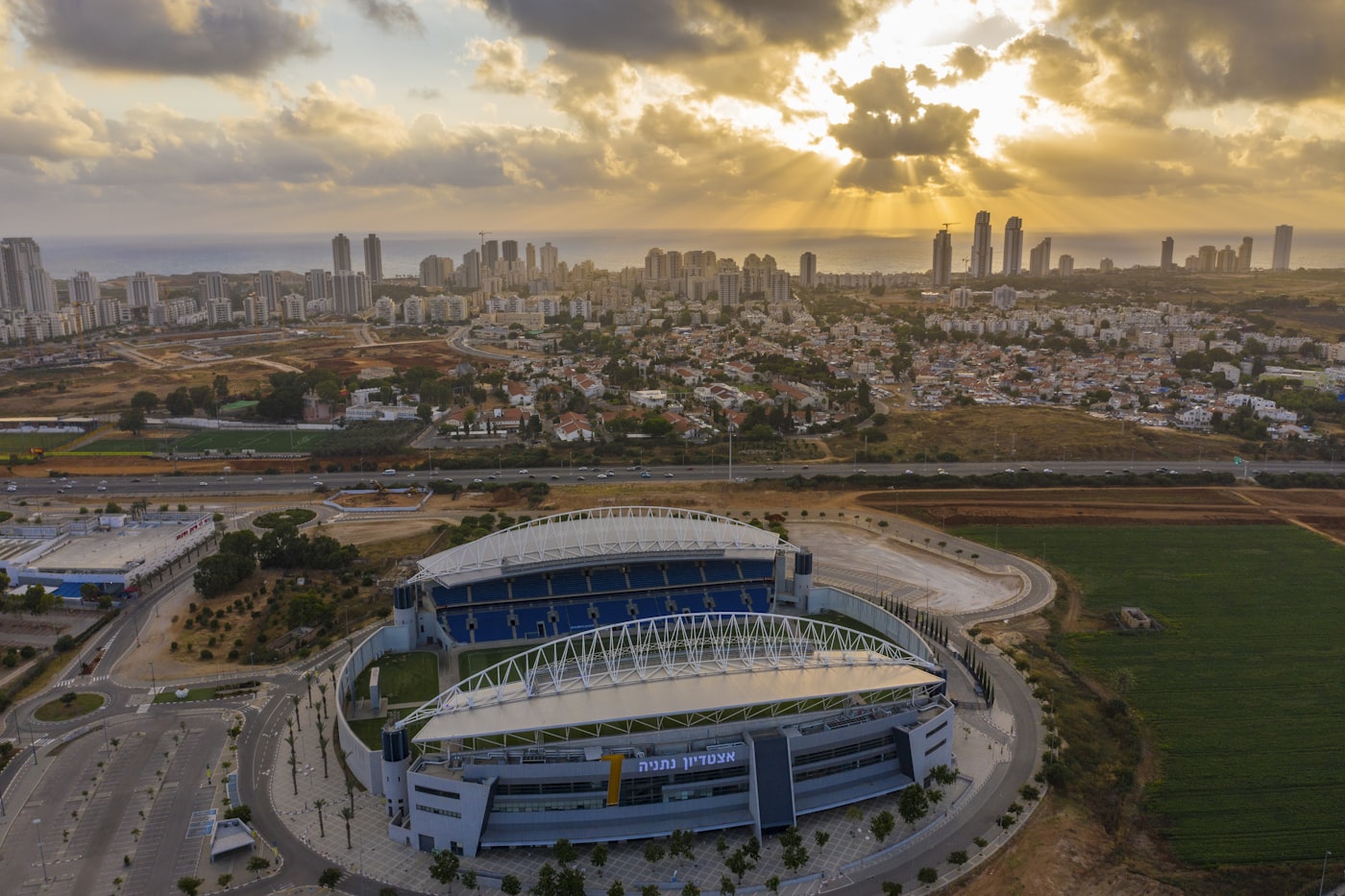
Image note: the article image is a generic stadium reference from Unsplash, not a live photo from Estadio Azteca.
Host-night file
The lasting image is simple: the host nation winning the first match, the stadium alive, and the tournament finally feeling real.