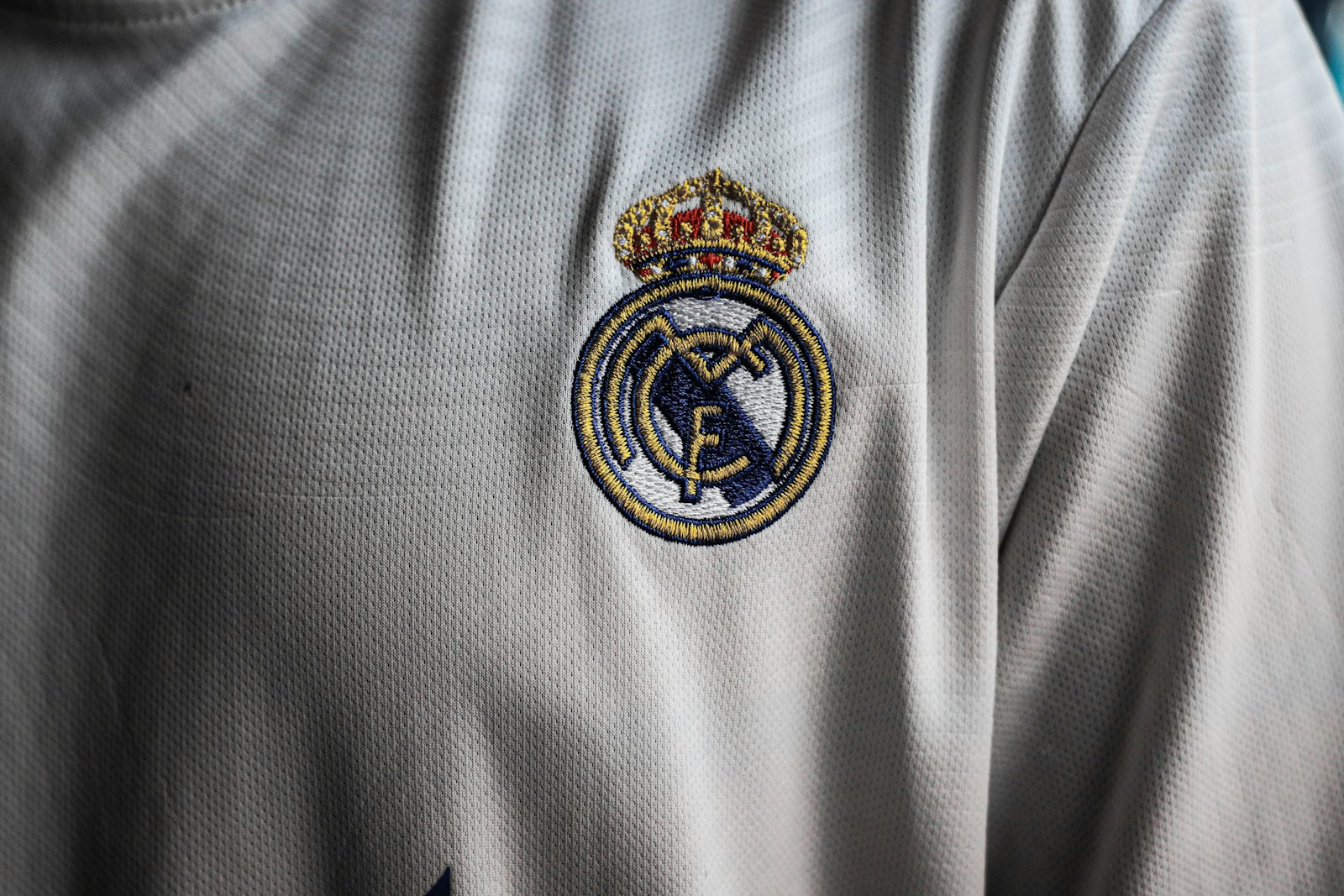
What to know
Look first at embroidery edges, patch borders and how the fabric sits around the stitching.
A better jersey should feel light, structured and breathable rather than thin, shiny or overly stiff.
Compare embroidery borders, material texture and print finish before choosing a custom jersey.
A custom embroidered football jersey should not be judged only by the front view. The better test is whether the fabric, stitching, number finish and fit details still look clean when you inspect them up close.
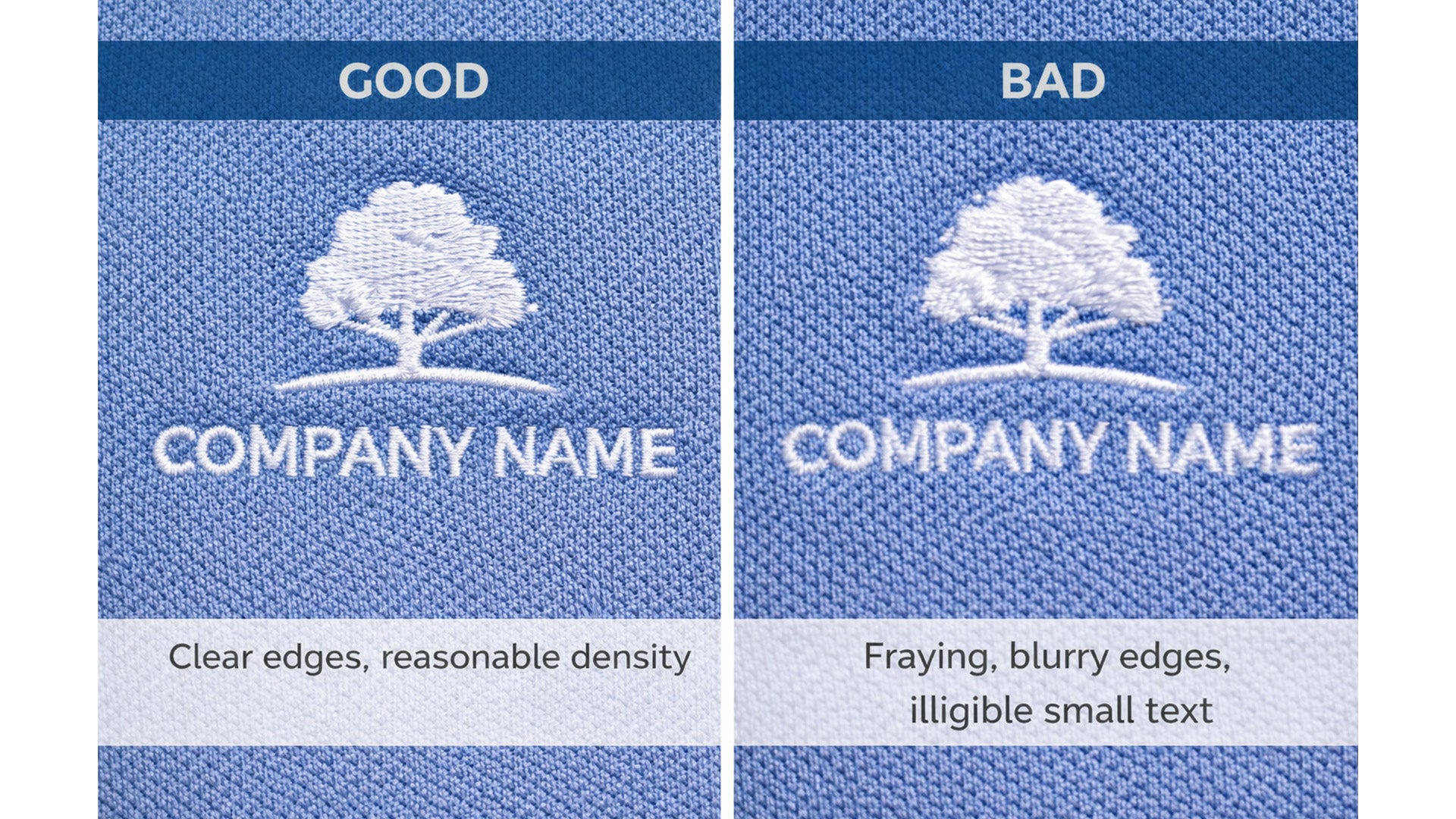
Embroidery comparison: clean border vs puckering
Good embroidery should have a clean border. The edge of a patch or number should not look fuzzy, loose or uneven, and the fabric around it should not pucker heavily.
Raised stitching can make a custom jersey feel more premium, but only when the thread density and border finish are controlled. If the edge looks rough in product photos, it usually looks more obvious in person.
Comparison checks
Material comparison: breathable texture vs thin shine
A jersey can have a strong design and still feel weak if the fabric is too thin or shiny. For everyday fan wear, the fabric should have enough structure to hold the embroidered detail without pulling or sagging.
Breathable mesh texture is also important. A custom jersey is often worn at watch parties, training sessions or team events, so comfort matters as much as the front design.
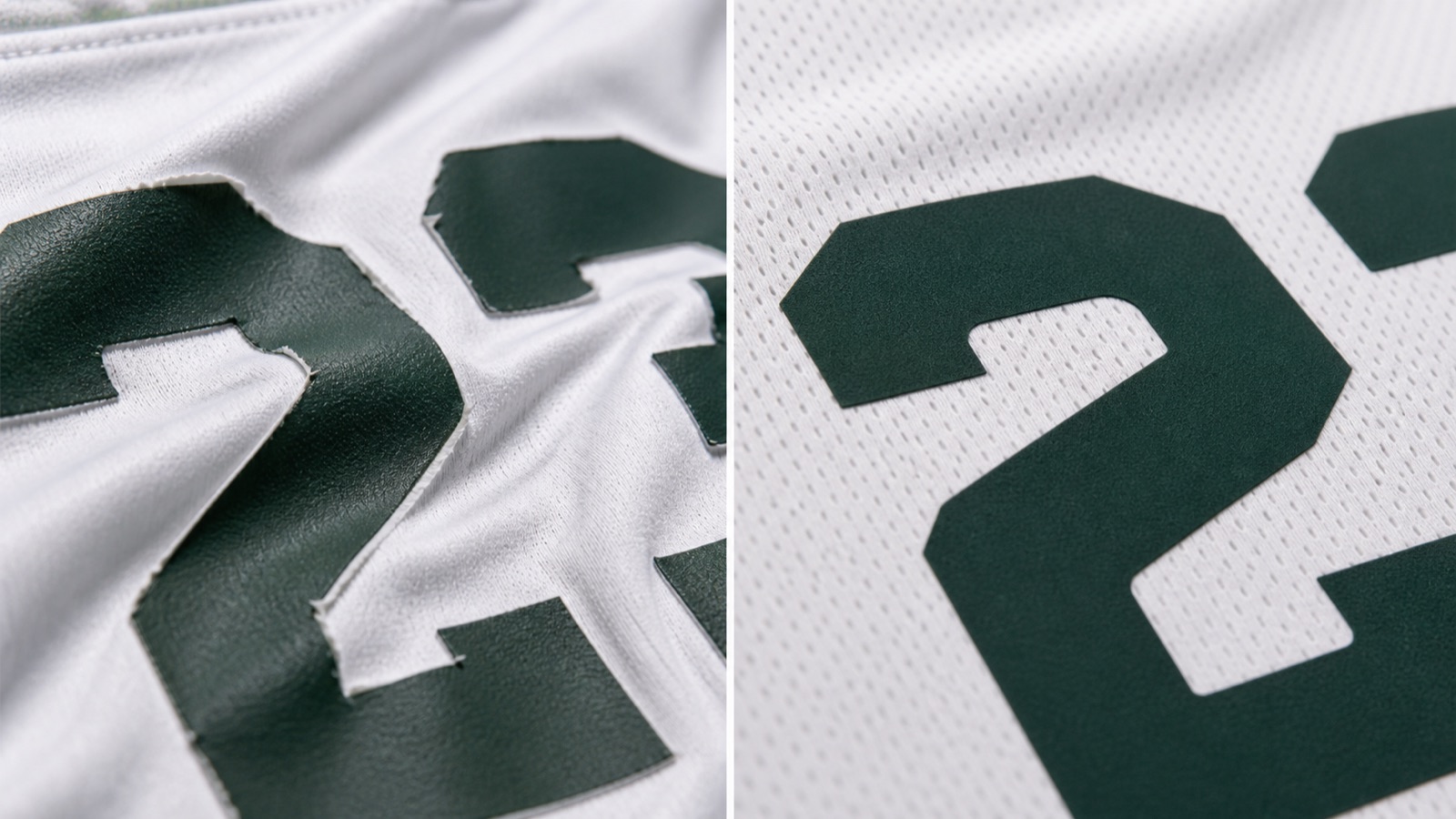
Printing quality comparison: sharp pressure vs bubbling
Names, numbers and sleeve patches should sit flat against the jersey. The edges should not curl, bubble or separate from the surface.
For embroidery-style customization, the best result is a clear shape with a slight raised feel. It should add dimension without making the jersey feel stiff across the back.
Fit and seam finishing decide daily wear
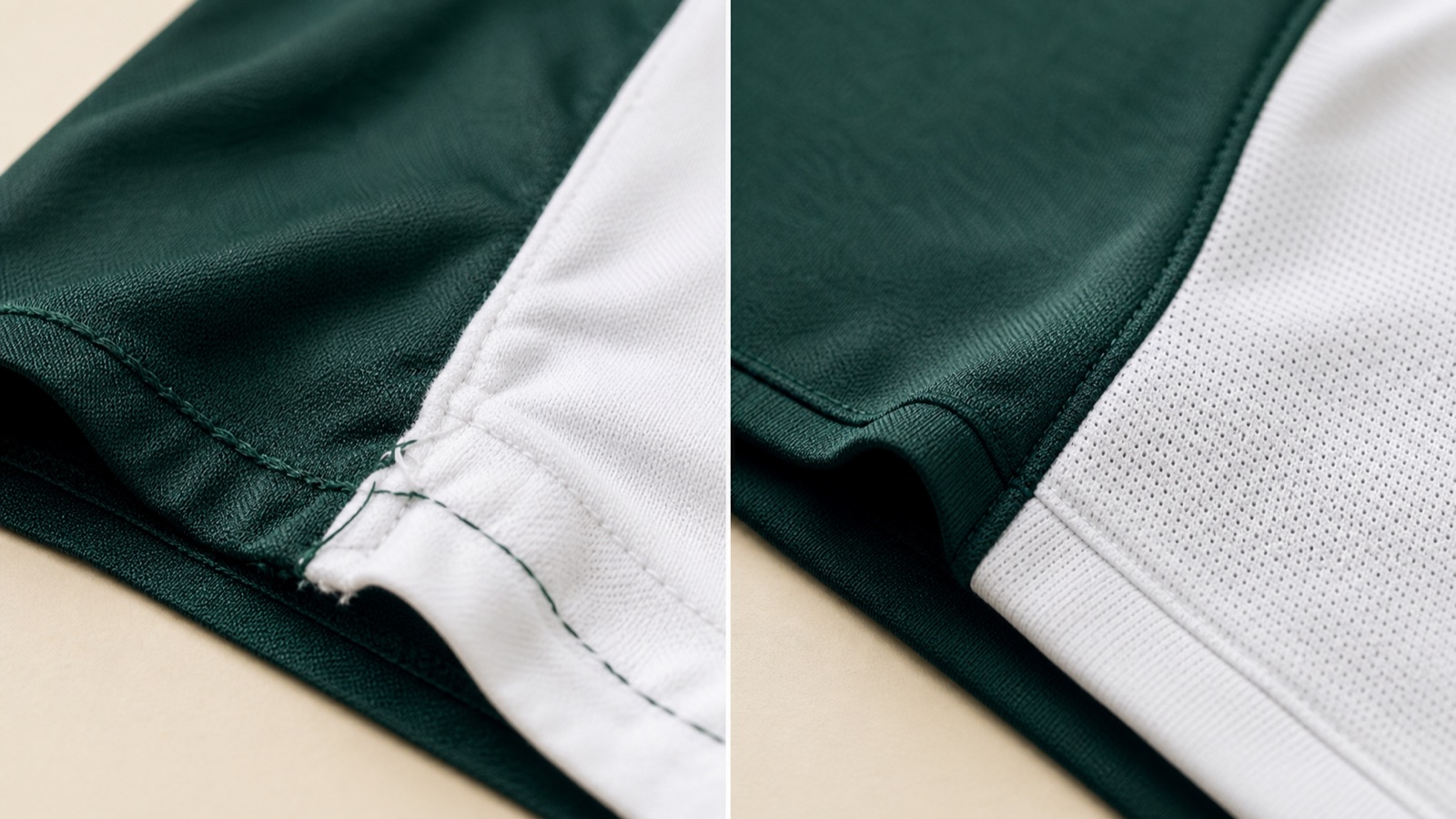
Before ordering a group set, check the collar, sleeve opening and side panel seams. These areas show whether the jersey is made only for display or whether it can handle regular wear.
A clean seam does not need to call attention to itself. It should keep the shirt shape stable and avoid loose threads around the sleeve, hem or shoulder join.
Who should choose embroidery customization
Embroidery customization makes the most sense for supporters who want a longer-lasting piece: team orders, fan clubs, company matchday shirts, youth teams and World Cup watch parties.
If the jersey is only for one casual event, a basic printed option can be enough. If it should feel like a team identity piece, embroidery is the detail worth paying attention to.
Review checklist
The strongest custom jersey is not the loudest design. It is the one where the stitching, fabric and fit still look right up close.